kitchen-remodeling
Sustainable Upgrades for Your Kitchen Renovation
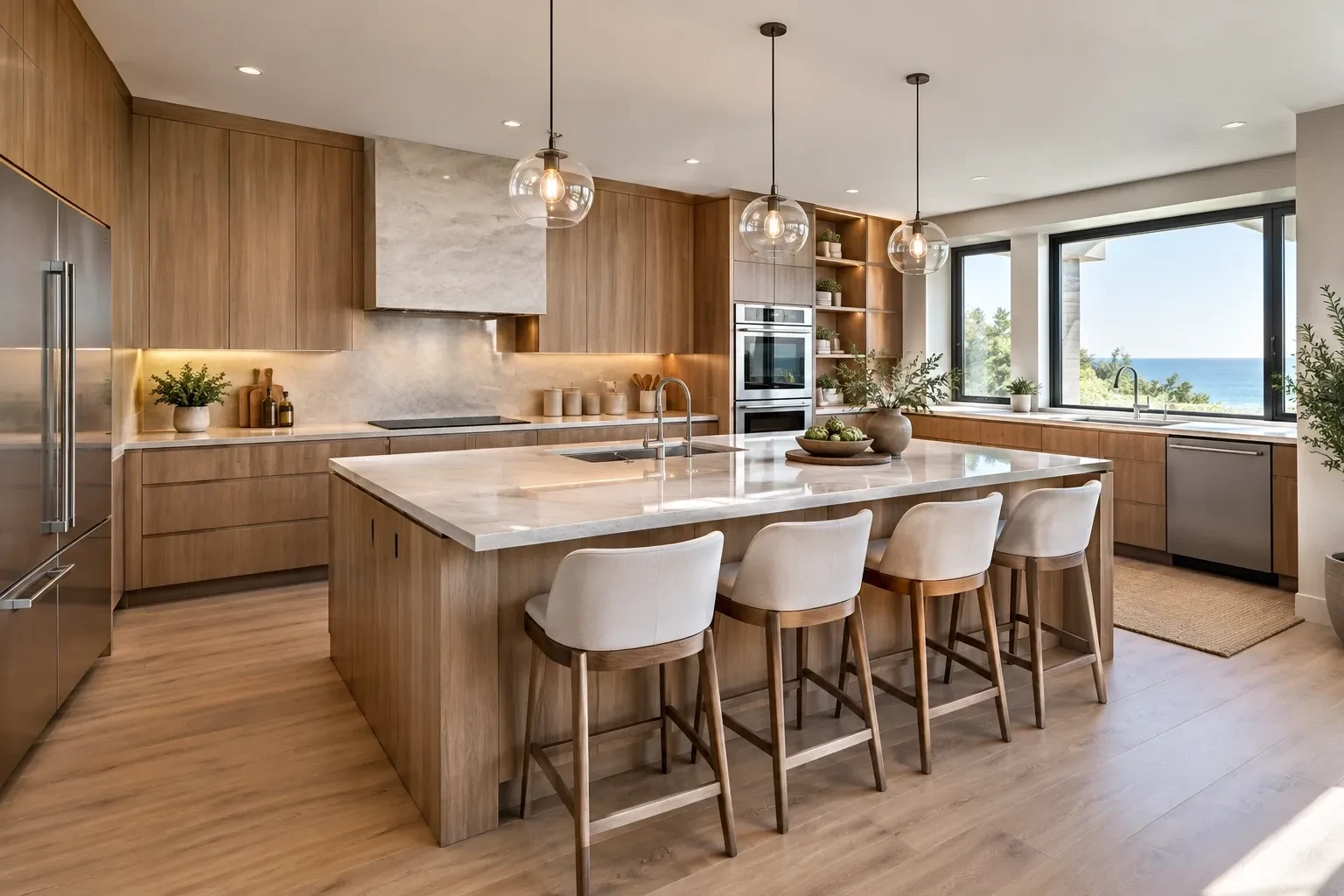
Sustainable upgrades for your kitchen renovation can reduce energy and water use, limit waste, and improve long-term durability.
Sustainable upgrades for your kitchen renovation can reduce energy and water use, limit waste, and improve long-term durability. The best approach is to combine efficient appliances, durable materials, water-saving fixtures, and smart lighting with a practical kitchen layout.
A sustainable kitchen does not have to look different from a high-end modern kitchen. You can choose attractive finishes and appliances while making decisions that support efficient daily use. Planning these upgrades before construction also makes it easier to coordinate electrical, plumbing, cabinetry, flooring, and lighting.
For San Diego homeowners, a well-planned renovation can improve both the comfort and long-term performance of the kitchen without adding unnecessary features or complexity.
A sustainable kitchen focuses on three main areas: resource efficiency, durability, and waste reduction.
Energy-efficient appliances and lighting can reduce ongoing energy use. Water-efficient fixtures can limit unnecessary water consumption. Durable kitchen materials can also reduce the need for repairs or replacement.
The layout matters too. A kitchen designed around how you cook, clean, store food, and move through the space is more likely to remain useful for years.
The goal is not to make every material or appliance “green.” Instead, choose upgrades that provide real value and fit your home's needs.
Materials have a major effect on the long-term performance of a kitchen. When comparing options, consider durability, maintenance, responsible sourcing, and expected lifespan.
Cabinetry receives daily use, so construction quality should be a priority. Durable cabinets can remain functional for many years and reduce the need for early replacement.
When reviewing kitchen cabinet materials and finishes, consider how each option handles moisture, heat, cleaning, and everyday wear.
If existing cabinets are still in good condition, refinishing or reusing them may also be worth considering. This depends on their construction and the overall goals of the remodel.
Countertops and backsplashes should withstand spills, heat, cleaning, and regular use. A durable material can be a more sustainable choice because it is less likely to need replacement.
Compare maintenance requirements as well as appearance. Durable backsplash and surface options can help create a kitchen that continues to perform well without demanding excessive upkeep.
Kitchen flooring needs to handle heavy foot traffic, spills, and frequent cleaning. Look for flooring that offers durability, practical maintenance, and a long service life.
Also consider whether the material can be repaired rather than completely replaced if part of the floor becomes damaged.
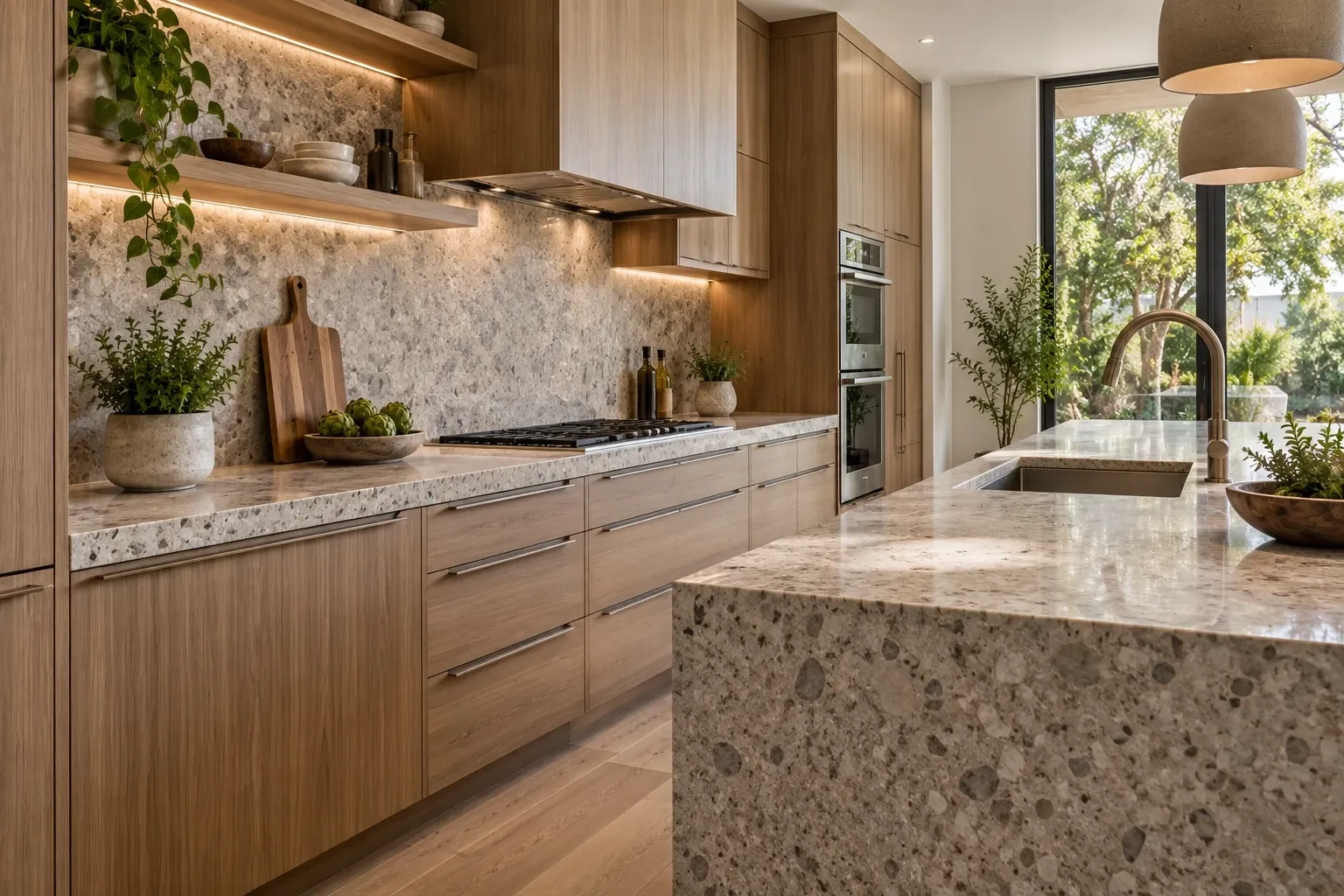
Appliances are an important part of an energy-efficient kitchen. When replacing older equipment, compare energy ratings, capacity, features, and how the appliance fits your household's actual needs.
Choosing an appropriately sized appliance is often more practical than selecting the largest available model. Efficiency should support your lifestyle rather than make the kitchen harder to use.
A refrigerator operates throughout the day, making energy efficiency an important consideration. Choose a model that provides enough storage without unnecessary capacity.
For dishwashers, look for efficient water and energy use. Select cycles based on the type and amount of cleaning required instead of automatically using the most intensive setting.
Consider your actual cooking habits before choosing ovens, cooktops, and other equipment. Modern appliances can offer efficient operation while providing the cooking performance you need.
The appliance layout also matters. Positioning frequently used equipment within an efficient work zone can make cooking easier and reduce unnecessary movement around the kitchen.
Induction cooktops use electromagnetic energy to heat compatible cookware directly. They provide responsive temperature control and are an option worth considering for homeowners who want a modern cooking surface.
Whether induction is right for your kitchen depends on your cooking preferences, cookware, electrical requirements, and overall design.
Water-efficient kitchen fixtures can reduce unnecessary water use without changing the basic function of the kitchen.
Choose faucets with appropriate flow rates and easy controls. Touch or motion-activated models may also help reduce water running unnecessarily during food preparation.
Your dishwasher should be considered as part of the same water-efficiency plan. Plumbing layout, fixture selection, and appliance placement should be coordinated during the remodel.
For homeowners planning kitchen remodeling services in San Diego, these decisions can be addressed together during the design process.
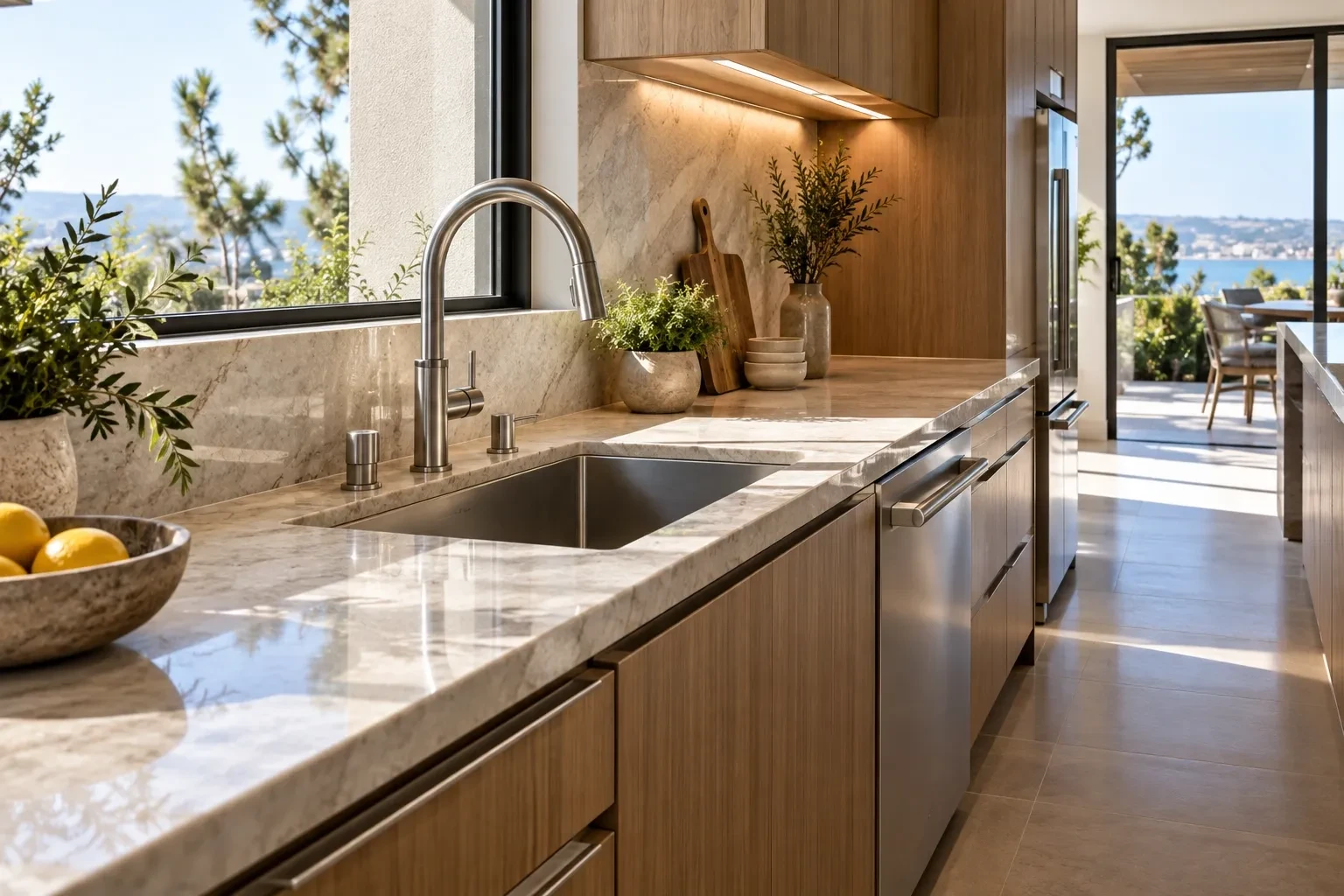
A good lighting plan improves both energy efficiency and everyday usability. Instead of relying on one bright fixture, use different lighting layers for different kitchen activities.
Natural light can brighten the kitchen during the day and improve the overall feel of the space. Windows, glazed doors, and other openings can be considered where the existing structure allows.
Task lighting should focus on areas where you prepare food, wash dishes, or work at countertops. This provides useful illumination without requiring every light in the kitchen to be turned on.
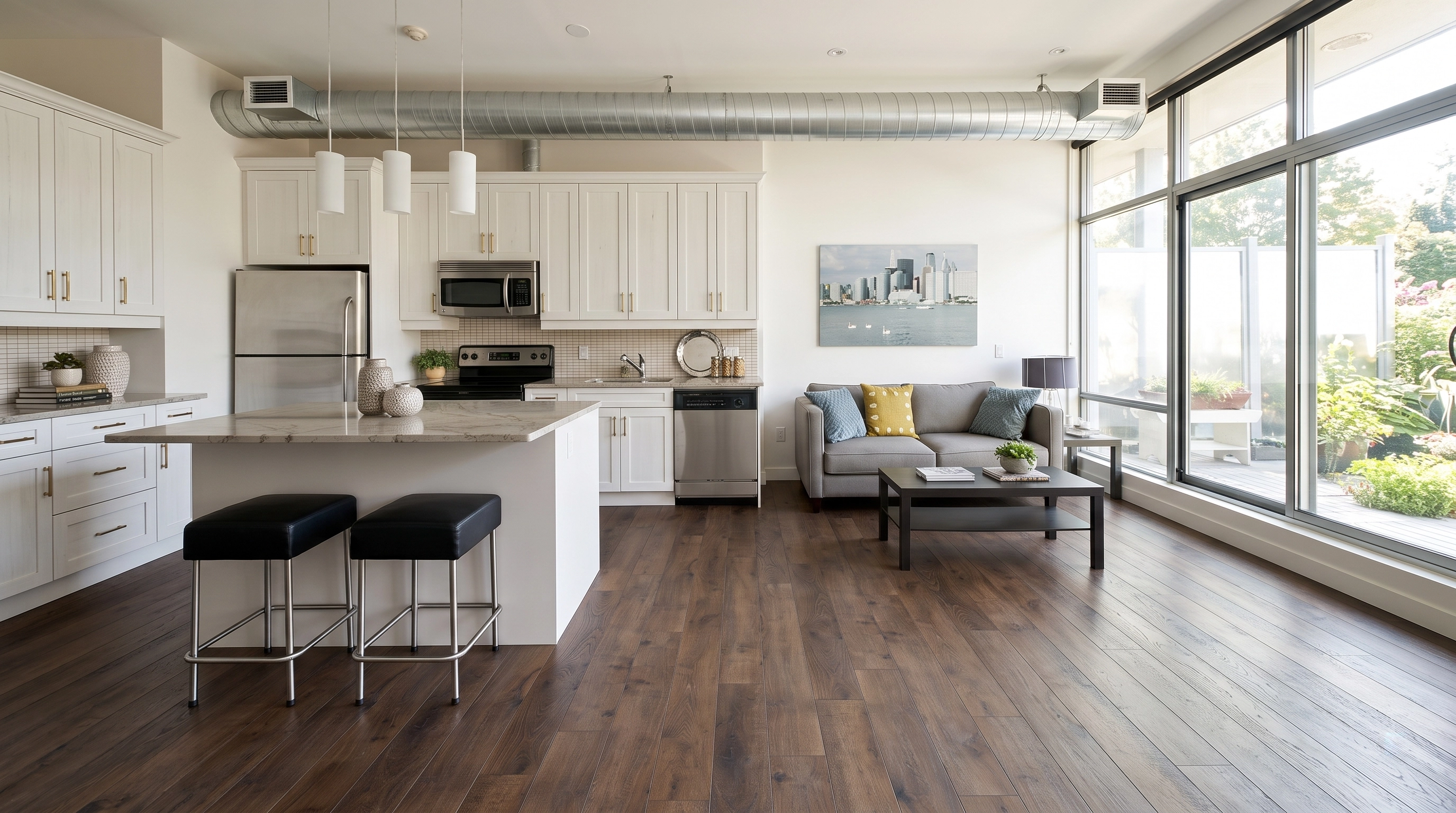
LED lighting is a practical choice for many kitchen applications. Under-cabinet lighting can provide focused illumination over work surfaces, while ceiling fixtures can handle general lighting.
Place fixtures based on the kitchen layout so counters and cooking areas are properly illuminated.
Dimmers, timers, and occupancy controls can make lighting easier to manage. Use controls where they provide genuine convenience rather than adding technology simply for its own sake.
A simple system that matches your daily routine can be more useful than a complicated setup.
Good kitchen design can prevent waste by making better use of the space you already have.
Start with storage. Cabinets, drawers, and pantry areas should be planned around the items you actually use. Better organization can eliminate awkward spaces and reduce the need for future changes.
Reuse should also be considered when practical. Existing cabinets, fixtures, or other components may be suitable for reuse, refinishing, donation, or repurposing depending on their condition.
Choose durable finishes and fixtures as well. Replacing a kitchen simply because materials have worn out prematurely creates unnecessary waste.
Start by identifying the improvements that matter most to your household. You do not need to make every possible sustainable upgrade.
Consider prioritizing:
Budget is also important. Some upgrades are easier and more cost-effective to include during a complete remodel because electrical, plumbing, cabinetry, and flooring can be coordinated at the same time.
A professional remodeling team can help balance sustainability with appearance, functionality, budget, and construction requirements. This planning approach is especially useful when combining several upgrades into one well-planned San Diego kitchen renovation.
A sustainable kitchen renovation is mainly about making better long-term choices. Efficient appliances, water-saving fixtures, durable materials, practical storage, and efficient lighting can improve the kitchen without compromising its style.
The most useful upgrades are the ones that fit your home and daily routine. By planning them early, you can create a kitchen that is comfortable, efficient, durable, and easier to maintain for years to come.
There is no single best upgrade for every kitchen. Efficient appliances, durable materials, water-saving fixtures, and efficient lighting are all practical choices. Your priorities should depend on the existing kitchen and how you use it.
Durable materials, responsibly sourced wood products, recycled-content materials, and finishes with long service lives can support a sustainable kitchen. Maintenance and durability should be considered along with the material's source.
Use efficient appliances, water-efficient faucets, LED lighting, smart controls, and practical daylighting. Proper installation and thoughtful design are also important for getting the intended performance from these upgrades.
They can be, particularly when they improve efficiency, durability, and everyday usability. The best upgrades provide practical value over time rather than adding features that do not suit your household.