home-remodeling
The Future of Home Remodeling: Smart Tech & AI in Construction
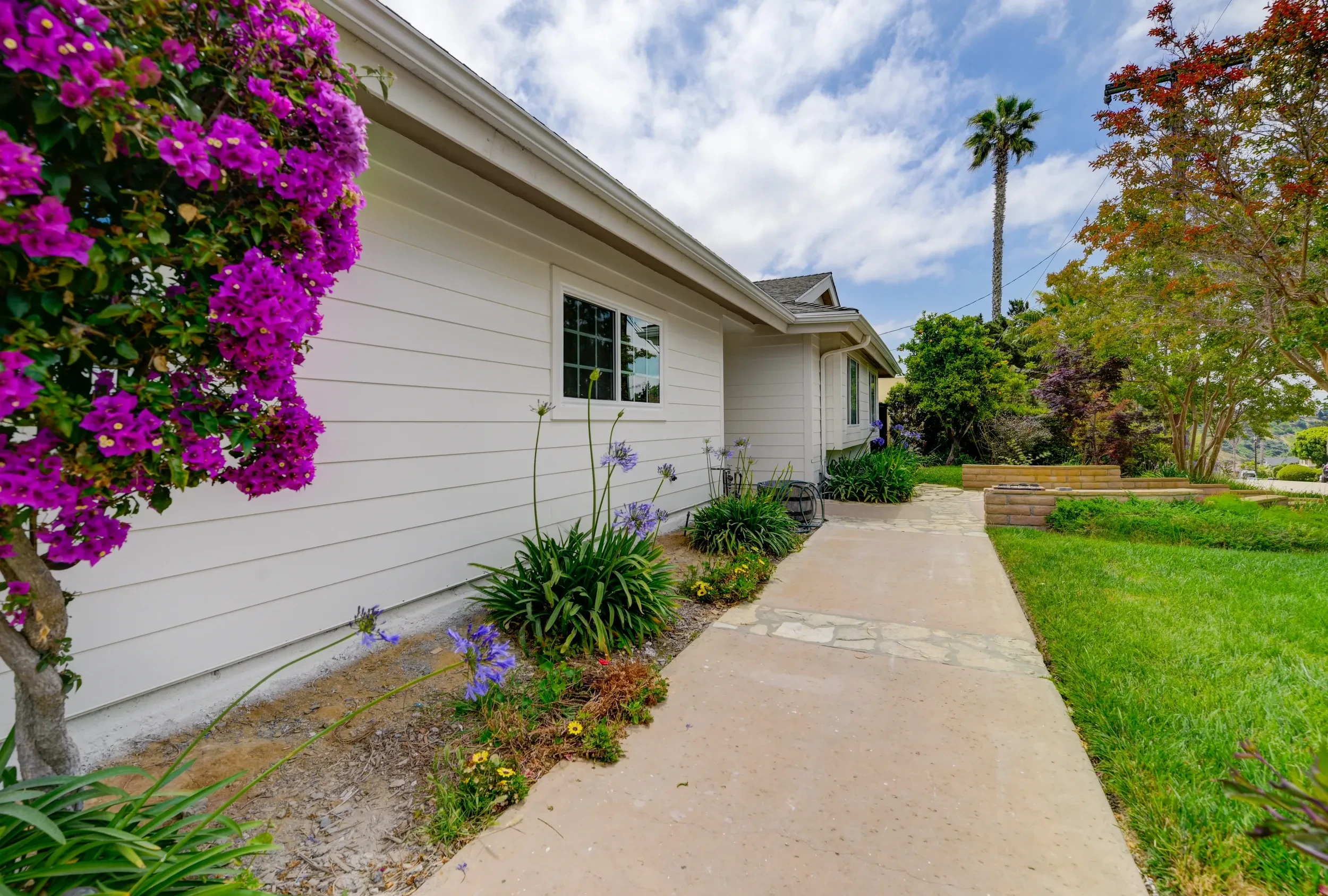
Smart home remodeling is changing how homeowners upgrade their living spaces by blending design, technology, and intelligent planning.
Smart home remodeling is changing how homeowners upgrade their living spaces by blending design, technology, and intelligent planning. This new approach uses connected devices, artificial intelligence tools, and automated systems to create homes that feel more efficient and comfortable. Homeowners now want remodeling solutions that improve daily life while offering long term value. Because of this shift, smart home remodeling continues to grow and shape how modern renovations are planned and completed.
Builders and homeowners now plan systems, connectivity, and data management alongside traditional design and material choices.
Remodeling projects once focused on layout updates, material choices, and basic functionality. Today the process includes smart lighting, intelligent climate control, advanced security and responsive appliances that work together to enhance the living experience. Artificial intelligence tools help homeowners plan better by showing accurate design options and potential outcomes before construction begins. As a result, smart home remodeling delivers spaces that respond to daily needs and support long term comfort.
San Diego homeowners are adopting smart remodeling because they want homes that save energy, increase convenience, and support modern lifestyles. The region places strong emphasis on sustainability, so families appreciate features that reduce utility costs and improve overall efficiency. Smart systems also help homeowners manage their spaces with ease, which is valuable in a busy coastal city. This growing demand continues to make smart home remodeling one of the most popular upgrade choices in San Diego.
Artificial intelligence now guides important design decisions in many smart home remodeling projects. These tools help homeowners understand layout changes, visualize possible outcomes, and choose designs that support the way they live each day. AI simplifies early planning and allows remodels to move forward with greater clarity and fewer revisions.
AI design platforms study room dimensions, household habits, and preferred layouts to create detailed three dimensional models. These models reveal storage potential, circulation patterns, and lighting needs before any physical work begins. Homeowners use these insights to evaluate several concepts and select a plan that supports both comfort and long term efficiency.
AI budgeting tools review market prices, supplier availability, and projected timelines to estimate costs more accurately. These estimates help homeowners choose materials that support both quality and budget goals. AI also suggests alternatives when preferred items are unavailable so projects stay on schedule. Many homeowners use these tools when planning upgrades like kitchens or bathrooms, which often involve several materials and finish selections.
Smart home remodeling often focuses on upgrades that improve comfort, energy efficiency, and everyday convenience. Homeowners want features that work together smoothly and offer long lasting value. Smart systems help families manage their homes more easily while maintaining a high standard of design and functionality.
Smart security tools monitor entrances, windows, and outdoor areas with sensors and real time alerts. Lighting systems adjust brightness based on time of day and personal preferences, which improves comfort and reduces energy use. Automation systems connect these features and allow homeowners to manage them from a single application or voice controlled device.
Smart HVAC systems track indoor conditions, learn temperature preferences, and adjust settings automatically. These systems reduce energy waste and maintain steady comfort throughout the home. Energy focused homeowners pair these upgrades with efficient windows or improved insulation to gain the best performance from their smart home remodeling projects.
Kitchens now include appliances that suggest cooking settings, monitor food storage, and manage energy use. Bathrooms feature touch free faucets, temperature controlled showers, and water saving systems that enhance comfort and reduce overall consumption. These upgrades provide both luxury and efficiency while supporting a seamless smart living experience.
AI tools now support many important tasks on active remodeling sites. These systems help teams coordinate work, improve accuracy, and avoid time consuming mistakes during smart home remodeling projects.
AI guided workflow systems offer step by step instructions that adapt to real job conditions. Teams follow clear guidance for each task, which reduces confusion and speeds installation. Because information updates in real time, crews complete work faster and deliver consistent results throughout the project.
Computer vision tools review surfaces, structural elements, and layout details to detect possible issues. These tools identify misalignment, incorrect measurements, or unsafe conditions before they affect the project. As a result, teams maintain higher quality standards and support safe working environments during smart home remodeling.
Smart scheduling tools study supplier data, crew availability, and weather patterns to predict potential delays. These insights help teams adjust timelines and order materials at the right moment. Homeowners benefit from reliable schedules that reduce stress and keep their remodeling plans moving smoothly.
Smart home remodeling offers practical improvements that homeowners notice every day. AI supported systems enhance comfort, reduce waste, and help properties perform better for many years.
Energy efficient smart systems monitor usage and adjust performance automatically. They reduce unnecessary consumption while maintaining a comfortable indoor environment. Homeowners often see long term savings that help smart home remodeling projects deliver strong financial value.
Smart sensors track moisture, temperature, and system performance across important areas of the home. These sensors alert homeowners when issues appear so repairs happen quickly. By addressing small concerns early, families protect their homes and avoid costly future damage.
Homes with integrated smart systems attract buyers who want modern and efficient spaces. Features like connected lighting, smart appliances, and energy monitoring tools increase overall appeal. As more buyers seek convenient and sustainable living, smart home remodeling becomes a strong investment.
Smart home remodeling supports many project styles because technology adapts to layout, size, and lifestyle needs. Each space benefits from upgrades that improve comfort and long term performance.
Smart kitchens include appliances that adjust settings automatically, monitor energy use, and support healthier routines. Designers use AI tools to place cabinets, islands, and lighting in ways that improve daily movement and maximize storage.
Smart bathrooms feature touch free fixtures, app controlled showers, and water saving systems that enhance comfort. Sensors help monitor temperature and humidity, which protects surfaces and supports long lasting performance.
Smart systems help ADUs operate as efficient independent spaces. Advanced controls manage lighting, temperature, and security with minimal effort. Room additions also benefit from precise AI planning that improves layout and supports smooth integration with the main home.
Smart home remodeling includes several upgrade levels, and each carries its own cost range. Homeowners must understand device pricing, installation needs, and long term value before selecting the right features. Cost planning helps every project stay efficient and prevents unexpected expenses during the remodeling process.
Smart upgrades often include devices, wiring, sensors, and software that work together. Homeowners begin by listing essential features and estimating installation requirements for each one. AI planning tools help predict material needs and labour hours, which makes early budgeting more accurate. These tools also reveal how small adjustments can reduce overall costs without lowering home performance.
Some smart upgrades offer strong financial value because they improve efficiency and reduce daily waste. Energy saving systems, remote monitoring tools, and automated climate controls often provide the best long term returns. Homeowners also see value when smart features reduce repair needs and maintain stable home performance. These benefits make smart home remodeling a practical choice for families who want both comfort and cost efficiency.
Smart home remodeling continues to reshape the way homeowners design, build, and enjoy their living spaces. These technologies improve daily comfort, strengthen home performance, and add long term value. As AI tools, connected systems, and intelligent devices evolve, families gain more control over their homes and experience smoother remodeling journeys from planning to completion. This shift marks the beginning of a future where homes respond to their owners with greater accuracy, efficiency, and care.
Smart home remodeling adds intelligent devices, sensors, and automated systems to improve comfort and efficiency. These tools support better planning and help homes operate more smoothly.
Smart features often improve resale value because buyers want modern spaces with efficient systems. Upgrades that save energy or simplify daily routines add strong appeal.
Most smart systems require simple updates and occasional checks rather than frequent repairs. Sensors and monitoring tools also prevent costly issues by detecting early concerns.
Older homes can support smart upgrades with proper planning and careful system integration. Many projects focus on wiring improvements and layout adjustments to support new technology.